
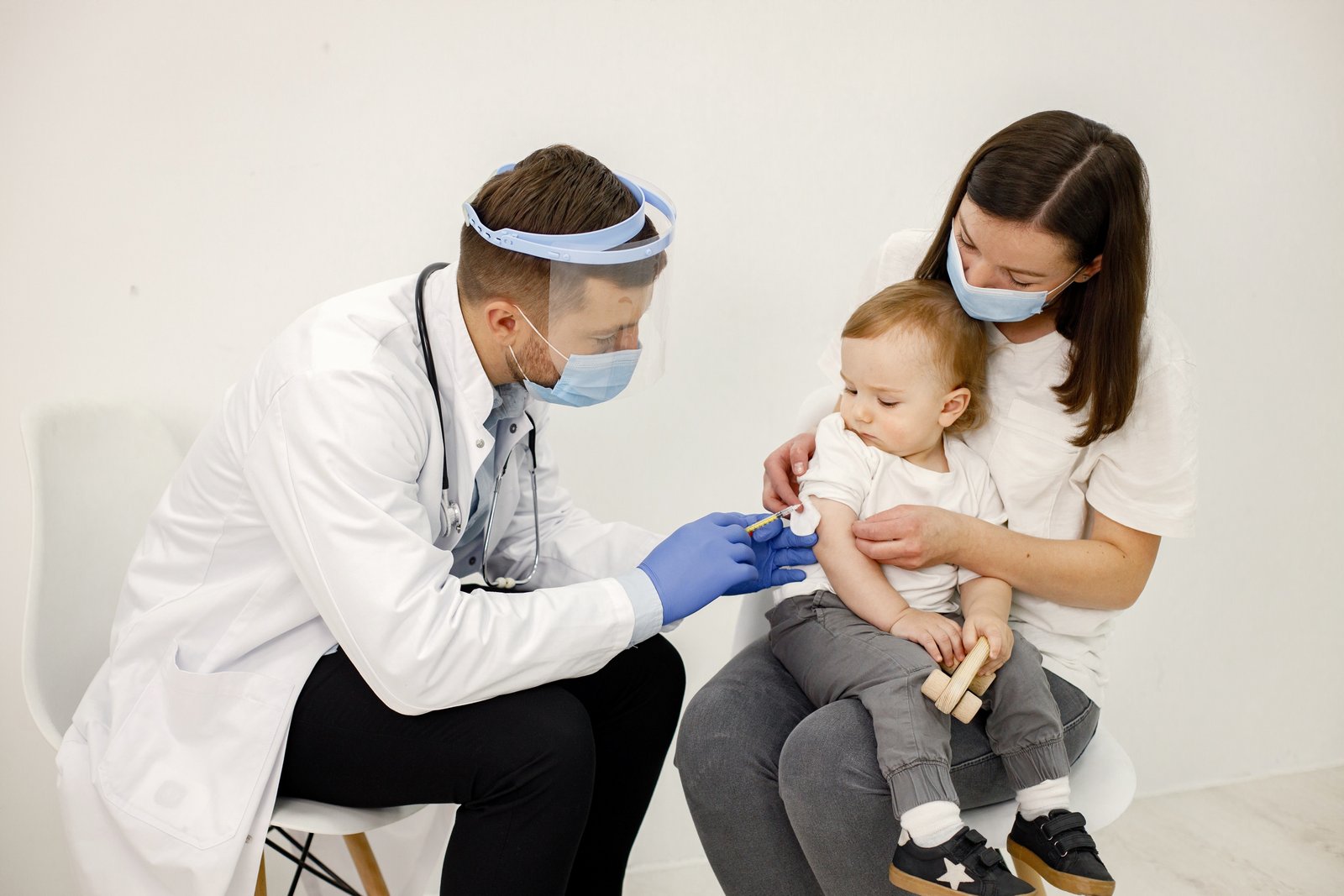
Why Vaccination Matters for Your Child
Vaccination is an important part of protecting your child as they grow. From the first days after birth, babies come into contact with many germs. Their immune system is still developing, which makes protection against certain infections especially important.
Vaccines help the body learn how to fight specific diseases before a child is exposed to them. They protect against illnesses such as tuberculosis, polio, hepatitis B, measles, rubella and several other serious infections included in childhood immunization programmes.
For parents, keeping track of vaccines can sometimes feel confusing. There are doses given at birth, several during the first few months, and booster doses as the child grows. Following a child vaccination schedule by age makes it easier to understand which vaccines may be due at each stage.
It is also important to keep your child's vaccination record safely and take it along during pediatric visits. Your pediatrician can check which doses have already been given and tell you what is due next.
If a vaccine has been delayed or missed, don't assume that the entire schedule has to be started again. Speak with your pediatrician. The next steps can be planned based on your child's age, previous vaccination record and health history.
Parents should also remember that vaccination recommendations can vary depending on the schedule being followed and a child's individual needs. Your pediatrician can help you follow the appropriate schedule for your child.

Vaccines Your Baby Needs at Birth
The first vaccines are given soon after a baby is born. These early doses are important because newborns are still developing their natural immunity and can be vulnerable to certain infections.
According to India’s National Immunization Schedule, three vaccines are recommended around birth: BCG, Hepatitis B birth dose, and OPV-0.
BCG Vaccine
BCG helps protect children against serious forms of tuberculosis (TB). It is usually given at birth or as early as possible. Under the national schedule, BCG can be given up to one year of age if it was not given earlier.
Hepatitis B Birth Dose
This vaccine protects against hepatitis B infection, which can affect the liver. The birth dose should ideally be given as early as possible, within 24 hours after birth.
OPV-0
OPV stands for Oral Polio Vaccine. The dose given around birth is called the zero dose or OPV-0. Under the national schedule, it should be given at birth or as early as possible within the first 15 days.
Parents should keep the vaccination card given at the hospital or clinic safely. It records the doses your baby has received and makes it easier for your pediatrician to plan the next vaccinations.
If your baby did not receive one of these vaccines at birth, speak with your pediatrician rather than trying to decide the next dose yourself. The timing for a missed vaccine can depend on the baby's age and previous vaccination history.
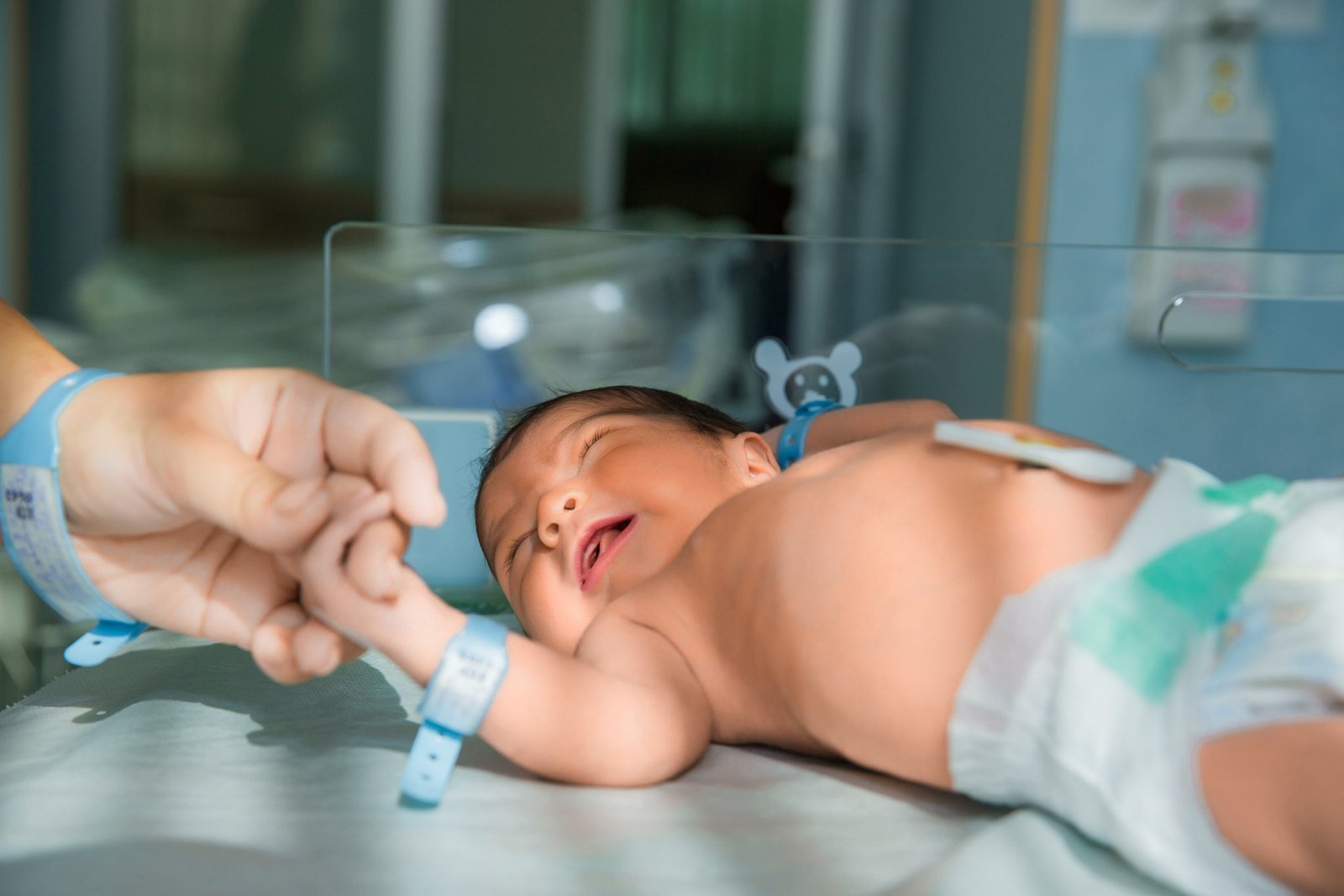
Vaccines at 6, 10 and 14 Weeks
he first few months of a baby's life include several important vaccination visits. After the vaccines given at birth, the next routine doses under India's National Immunization Schedule are scheduled at 6 weeks, 10 weeks and 14 weeks.
Parents may notice that some vaccine names appear at all three visits. This is because certain vaccines need more than one dose to build protection.
At 6 Weeks
The National Immunization Schedule includes:
- OPV-1 – first routine oral polio dose
- Pentavalent-1
- Rotavirus vaccine-1
- Fractional IPV-1
- PCV-1
The pentavalent vaccine protects against five diseases: diphtheria, pertussis (whooping cough), tetanus, hepatitis B and Haemophilus influenzae type b (Hib).
At 10 Weeks
The next doses include:
- OPV-2
- Pentavalent-2
- Rotavirus vaccine-2
These continue the vaccine series started at the 6-week visit.
At 14 Weeks
The schedule includes:
- OPV-3
- Pentavalent-3
- Rotavirus vaccine-3
- Fractional IPV-2
- PCV-2
PCV helps protect against pneumococcal disease, while IPV provides additional protection against polio.
It is normal for parents to feel concerned when several vaccines are due during the same visit. Your pediatrician can explain what each vaccine is for and what mild reactions you may notice afterwards.
Keep your baby's vaccination card with you at every appointment. Before leaving the clinic, you can also ask the doctor to mark the next due date on the card. This simple habit makes it much easier to stay on schedule.
If a scheduled visit is missed, speak with your pediatrician about what to do next rather than restarting or changing the schedule yourself.

Vaccines Around 9 to 12 Months
Your baby's first birthday is getting closer, and this is another important stage for vaccination. By now, several early doses may already be complete, but there are still vaccines due around 9 to 12 months of age.
Under India’s National Immunization Schedule, the first dose of the Measles-Rubella (MR) vaccine is recommended between 9 completed months and 12 months.
Measles-Rubella (MR) Vaccine – First Dose
The MR vaccine protects children against measles and rubella. Both are viral infections, and vaccination is an important part of preventing them.
The first MR dose is given during this age period, followed by another dose later in childhood as part of the routine schedule.
PCV Booster
A Pneumococcal Conjugate Vaccine (PCV) booster is scheduled at 9 completed months where applicable. This follows the earlier PCV doses given during infancy.
Japanese Encephalitis (JE) Vaccine
The first JE dose is also scheduled between 9 and 12 months where applicable. This vaccine is used in areas where Japanese Encephalitis vaccination is included in the immunization programme.
Vitamin A
At 9 months, the first dose of Vitamin A supplementation is also given along with the MR vaccination under the national programme. Vitamin A is not a vaccine, but it is included in the child health schedule and helps support healthy growth and vision.
As your baby grows, it becomes easier to lose track of previous doses and upcoming dates. Keep the vaccination card with you during every pediatric visit and ask the doctor to check whether anything is due.
If your child has missed an earlier dose, don't try to adjust the dates yourself. Your pediatrician can review the vaccination history and guide you on the appropriate next step.

Vaccines During the Second Year
After your child's first birthday, vaccination continues with important doses and boosters. These help maintain the protection built during the first year.
Under India’s National Immunization Schedule, the second MR dose is given at 16–24 months. A DPT booster and OPV booster are also scheduled during this period. The second dose of JE vaccine is given at 16–24 months in applicable areas.
Vitamin A supplementation also continues according to the recommended schedule.
Parents should carry the vaccination card to every visit so the pediatrician can check completed and pending doses. If your child has missed a vaccination, don't panic or restart the schedule on your own. A doctor can review the previous doses and advise the appropriate catch-up plan.
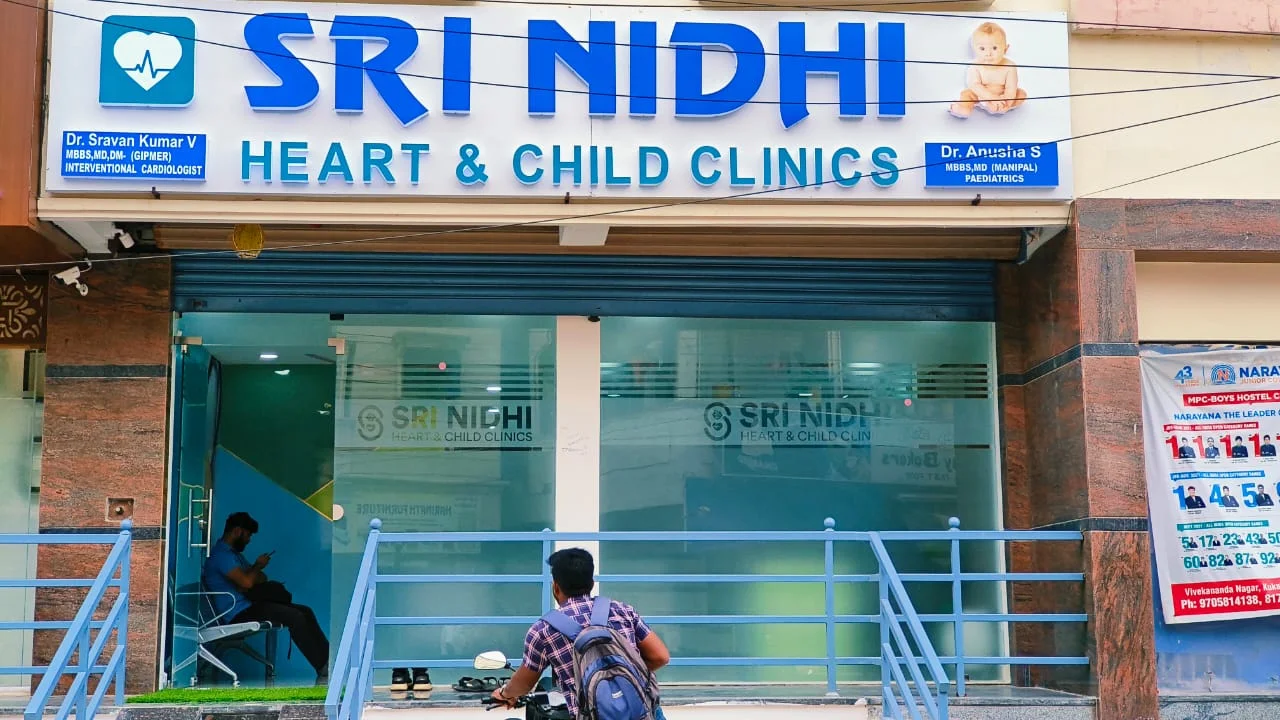
Parents in Kukatpally, Hyderabad can also discuss their child's vaccination record during routine pediatric visits at Sri Nidhi Heart & Child Clinics.

Learn more about our Pediatric Services at Sri Nidhi Heart & Child Clinics in Kukatpally.
Vaccines for Preschool and School-Age Children
Vaccination does not end after the toddler years. As children grow, booster doses are given to maintain protection against certain infections.
Under India’s National Immunization Schedule, a DPT booster is recommended at 5–6 years, followed by Td (Tetanus and adult Diphtheria) at 10 years and 16 years.
These school-age doses can sometimes be missed because parents may no longer visit the pediatrician as often as they did during infancy. Keeping the vaccination card safe makes it easier to check which doses are complete and which are still due.
If you are unsure about your child's vaccination status, a pediatrician in Kukatpally can review the previous records and guide you based on your child's age and vaccination history.

What If Your Child Misses a Vaccine?
Missing a vaccination date does not always mean the entire schedule has to be started again. If a dose is delayed because your child was unwell, you were travelling, or the appointment was missed, speak with your pediatrician.
Take your child's vaccination card to the consultation. The doctor can check which vaccines have already been given, identify pending doses, and advise a suitable catch-up vaccination plan based on your child's age and health history.
Avoid changing vaccine dates or repeating doses without medical advice. The right next step can vary from one child to another.
Parents in Kukatpally and nearby areas can visit Sri Nidhi Heart & Child Clinics to have their child's vaccination record reviewed and discuss any missed doses.

Need help with a missed vaccination? Contact Sri Nidhi Heart & Child Clinics to speak with our pediatric care team in Kukatpally.
Frequently Asked Questions About Child Vaccination
1. What should I do if my child misses a vaccine?
Don't panic. Take your child's vaccination card to your pediatrician. The doctor can review the doses already given and advise how to continue based on your child's age and vaccination history. In many situations, the entire series does not need to be restarted.
2. Can my child be vaccinated if they have a mild cold?
A mild illness does not always mean vaccination has to be delayed. However, if your child has fever, is feeling unwell, or is taking treatment for another condition, tell the pediatrician before vaccination. The doctor can decide whether to vaccinate that day or wait.
3. Is fever after vaccination normal?
Some children may develop mild fever, pain, redness, or swelling at the injection site after certain vaccines. These reactions are usually temporary. Contact your doctor if the symptoms are severe, unusual, or you are worried about your child's condition.
4. Why should I keep my child's vaccination card?
The vaccination card keeps a record of vaccines and doses your child has received. Carry it during pediatric visits so the doctor can check completed doses and tell you what may be due next.
5. Are all children given exactly the same vaccination schedule?
Not always. The appropriate schedule can depend on the child's age, previous doses, health conditions, and the vaccination guidelines being followed. Your pediatrician can recommend what is suitable for your child.
6. Where can I check my child's vaccination schedule in Kukatpally?
Parents can bring their child's vaccination records to Sri Nidhi Heart & Child Clinics in Kukatpally, Hyderabad. A pediatrician can review the records and guide you about upcoming or missed doses.
Conclusion
Keeping up with your child’s vaccinations is an important part of protecting their health as they grow. From the first vaccines given at birth to booster doses during the school years, each stage has its own recommended timing.
Keep your child’s vaccination card safe and take it with you during every pediatric visit. If a dose is missed or you are unsure about the next vaccine, speak with your pediatrician instead of changing the schedule yourself.
Parents looking for vaccination guidance in Kukatpally, Hyderabad can visit Sri Nidhi Heart & Child Clinics. Our pediatric care team can review your child’s vaccination history, check pending doses, and guide you on the next steps based on your child’s age and health needs.
Need help checking your child’s vaccination record?
Book a pediatric consultation at Sri Nidhi Heart & Child Clinics, Kukatpally.
Book a pediatric consultation