
Fever in children is one of the most common reasons parents visit a pediatrician. While a mild fever is often the body's natural response to infections, it can sometimes indicate a more serious medical condition that requires prompt attention. Understanding when to worry about fever in children can help parents make informed decisions and ensure their child's safety.
Most fevers are caused by viral infections and improve within a few days with proper rest, hydration, and supportive care. However, certain warning signs—such as persistent high fever, difficulty breathing, extreme sleepiness, dehydration, seizures, or fever in very young infants—should never be ignored.
If your child develops a fever and you're unsure whether it's a routine illness or something more serious, consulting an experienced pediatrician in Kukatpally can provide the right diagnosis and treatment. Families from KPHB, JNTU, Ameenpur, and Balanagar can also benefit from timely pediatric care to prevent complications and support faster recovery.
In this guide, we'll explain the common causes of fever in children, when home care is appropriate, the warning signs that require immediate medical attention, and practical tips to help your child recover safely.
What Is Considered a Fever in Children?
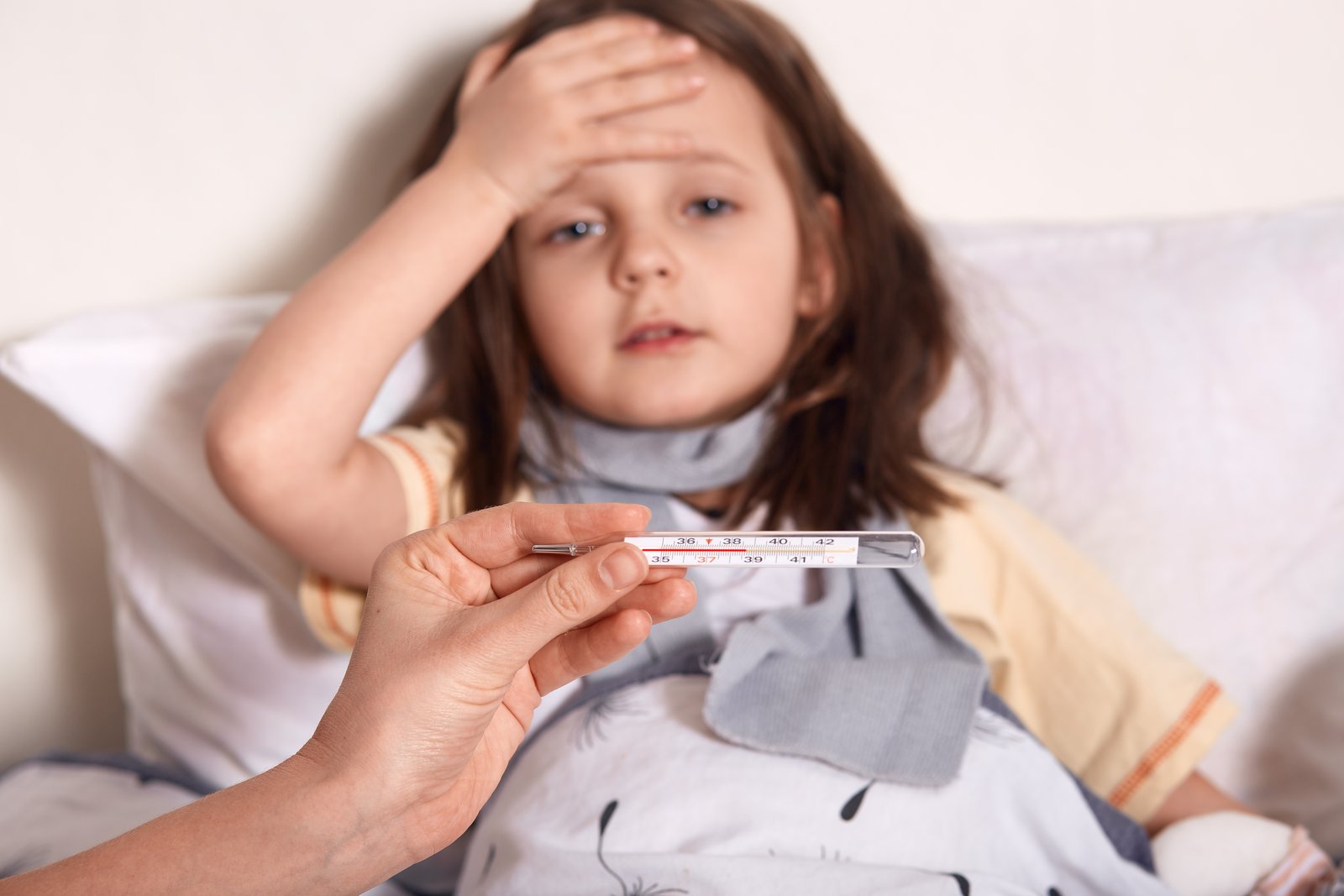
Not every rise in body temperature is a cause for concern. A child's normal body temperature typically ranges between 36.5°C and 37.5°C (97.7°F to 99.5°F), although it may vary slightly throughout the day depending on physical activity, clothing, and environmental conditions.
A child is generally considered to have a fever when their body temperature reaches 38°C (100.4°F) or higher. Fever itself is not an illness—it's the body's natural defense mechanism against viruses, bacteria, and other infections. In many cases, it indicates that the immune system is actively fighting off an infection.
Understanding Fever Levels
- Mild Fever: 38°C to 38.9°C (100.4°F–102°F)
- Moderate Fever: 39°C to 39.9°C (102.2°F–103.8°F)
- High Fever: 40°C (104°F) or above
While the temperature reading is important, parents should pay close attention to how their child is behaving. A playful child with a mild fever is often less concerning than a child with a lower fever who is unusually sleepy, refuses fluids, has difficulty breathing, or appears very unwell.
For the most accurate results, use a digital thermometer and follow the manufacturer's instructions. Avoid relying solely on touching your child's forehead, as this may not accurately reflect their actual body temperature.
If your child's fever persists for more than 48–72 hours,
rises despite medication, or is accompanied by worrying symptoms, it is advisable to consult an experienced pediatrician in Kukatpally. Parents living in KPHB, JNTU, Ameenpur, and Balanagar should seek timely medical evaluation to identify the underlying cause and receive appropriate treatment.
Common Causes of Fever in Children
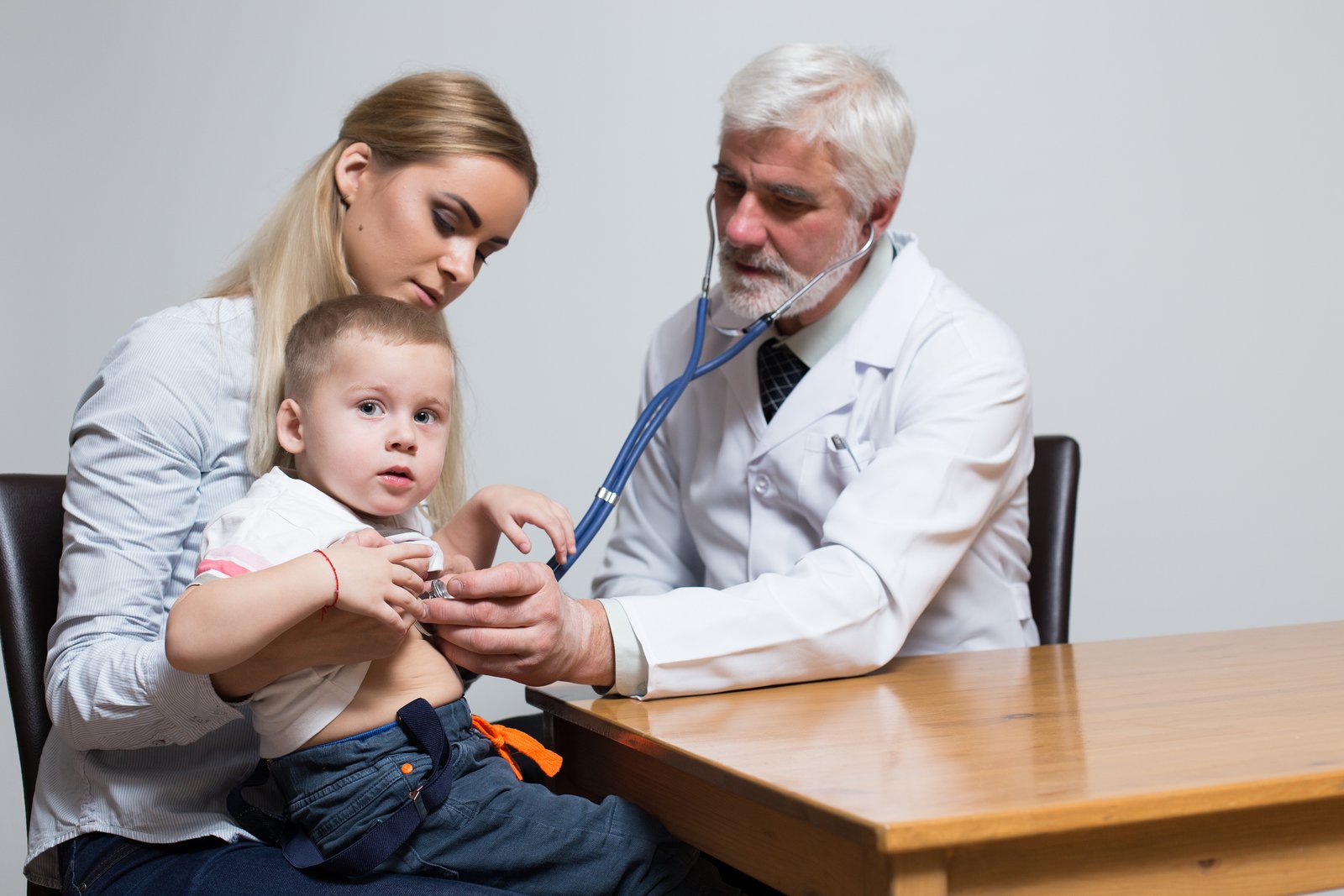
A rise in body temperature is the body's natural way of fighting germs. In most cases, it is a sign that the immune system is responding to an infection. While many illnesses are mild and resolve on their own, understanding the possible causes can help parents know when home care is enough and when professional medical attention is needed.
1. Viral Infections
Viruses are the leading cause of elevated temperature in children. Conditions such as the common cold, influenza (flu), viral sore throat, hand, foot and mouth disease, COVID-19, and viral stomach infections can all trigger a fever. These illnesses generally improve within a few days with adequate rest, plenty of fluids, nutritious food, and supportive care. Antibiotics are not effective against viral infections.
2. Bacterial Infections
Some illnesses are caused by bacteria and may require treatment with antibiotics after a proper medical examination. Common bacterial infections include:
- Ear infections
- Pneumonia
- Strep throat
- Urinary tract infections (UTIs)
- Sinus infections
If your child continues to have a high temperature for several days, appears unusually unwell, or develops symptoms such as persistent vomiting or difficulty breathing, a pediatric evaluation is recommended to determine the underlying cause.
3. Fever After Vaccination
A mild increase in temperature after routine childhood vaccinations is common and usually indicates that the immune system is building protection. This reaction often settles within 24 to 48 hours without any complications. However, if the temperature remains high or your child appears excessively irritable or lethargic, consult your doctor.
4. Other Possible Causes
Although less common, an increased body temperature can also occur due to inflammatory conditions, heat exhaustion, certain medications, or other medical problems. Many parents also associate teething with fever, but teething typically causes only a slight rise in temperature rather than a true fever. If a child develops a temperature of 38°C (100.4°F) or higher, another illness should be considered.
When the cause is unclear or symptoms persist, seeking advice from an experienced pediatrician in Kukatpally can help ensure an accurate diagnosis and timely treatment. Families living in KPHB, JNTU, Ameenpur, and Balanagar should not delay medical care if their child develops persistent fever, poor feeding, unusual drowsiness, or other concerning symptoms.
When Should You Worry About a Child's Fever?
Most children recover from a fever without any serious complications. However, there are situations where a high temperature may indicate a more significant illness that requires prompt medical evaluation. As a parent, it's important to observe not only the thermometer reading but also how your child looks, behaves, and responds.
You should seek medical attention if your child has:
- A temperature of 38°C (100.4°F) or higher if they are younger than 3 months.
- A fever that lasts for more than 2–3 days without improvement.
- Difficulty breathing or rapid breathing.
- Persistent vomiting or severe diarrhea leading to dehydration.
- Extreme sleepiness, unusual irritability, or difficulty waking up.
- A seizure associated with fever (febrile seizure).
- A stiff neck, severe headache, or sensitivity to light.
- A widespread rash that does not fade when pressed.
- Refusal to drink fluids or significantly reduced urine output.
- Blue lips, pale skin, or signs of poor circulation.
Remember, the child's overall condition is often more important than the exact temperature. Some children remain active and playful despite a mild fever, while others may appear seriously ill even with a lower temperature. Trust your instincts—if your child seems unusually unwell, it is always safer to seek professional medical advice.
Parents looking for expert pediatric care in Kukatpally and nearby areas such as KPHB, JNTU, Ameenpur, and Balanagar should not delay a medical consultation when any of these warning signs are present. Early diagnosis and timely treatment can help prevent complications and support a quicker recovery.
How to Care for Your Child at Home During a Fever
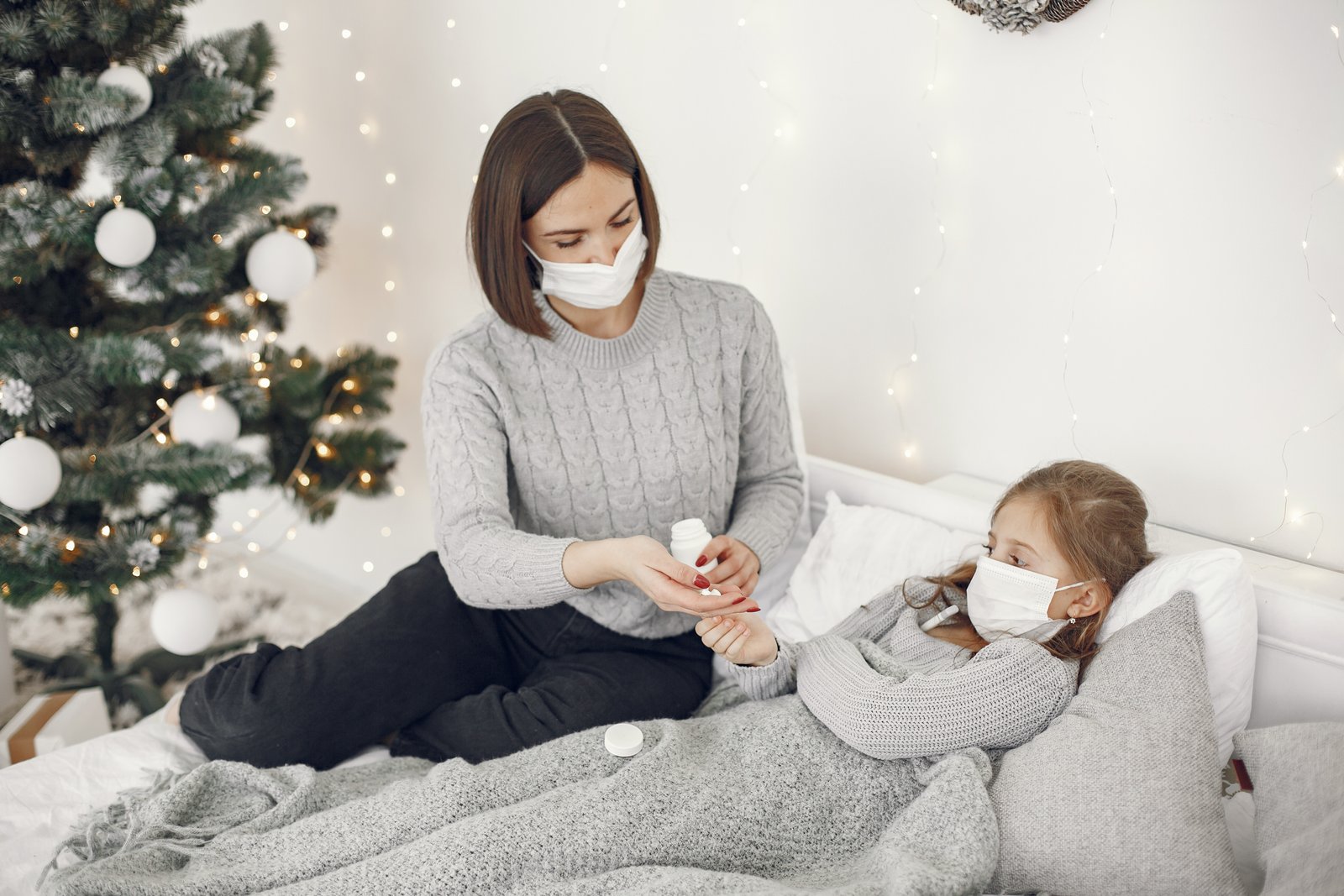
A fever is often a sign that the body is actively fighting an infection. In many cases, children can recover comfortably at home with supportive care and close observation. The goal is not always to bring the temperature back to normal immediately but to help your child stay comfortable and well hydrated while monitoring for any warning signs.
Here are some practical tips parents can follow:
Keep Your Child Well Hydrated
Offer plenty of fluids such as water, breast milk, formula, coconut water (for older children), or oral rehydration solution if recommended by your doctor. Fever increases fluid loss, making dehydration more likely, especially if your child is also vomiting or has diarrhea.
Encourage Rest
Adequate sleep and rest allow the immune system to recover more efficiently. There's no need for complete bed rest if your child feels active, but avoid strenuous physical activities until they are fully recovered.
Dress Comfortably
Choose lightweight, breathable clothing and keep the room at a comfortable temperature. Avoid wrapping your child in thick blankets, as this can trap body heat and make them feel more uncomfortable.
Offer Nutritious Foods
If your child is hungry, provide small, easy-to-digest meals such as rice, dal, fruits, vegetables, soups, or curd (if appropriate). Don't force food if their appetite is reduced—staying hydrated is more important.
Use Fever Medicines Only as Advised
Medicines such as paracetamol or ibuprofen may be recommended to relieve discomfort, but they should always be given according to your child's age and weight. Never give aspirin to children unless specifically advised by a healthcare professional.
Continue Monitoring
Check your child's temperature periodically and observe their activity level, breathing, feeding, and urine output. If symptoms worsen, new warning signs develop, or the fever persists longer than expected, arrange a medical evaluation without delay.
For parents in Kukatpally, KPHB, JNTU, Ameenpur, and Balanagar, consulting a qualified pediatrician is the safest option whenever you are uncertain about your child's condition.
When to Visit a Pediatrician for Your Child's Fever
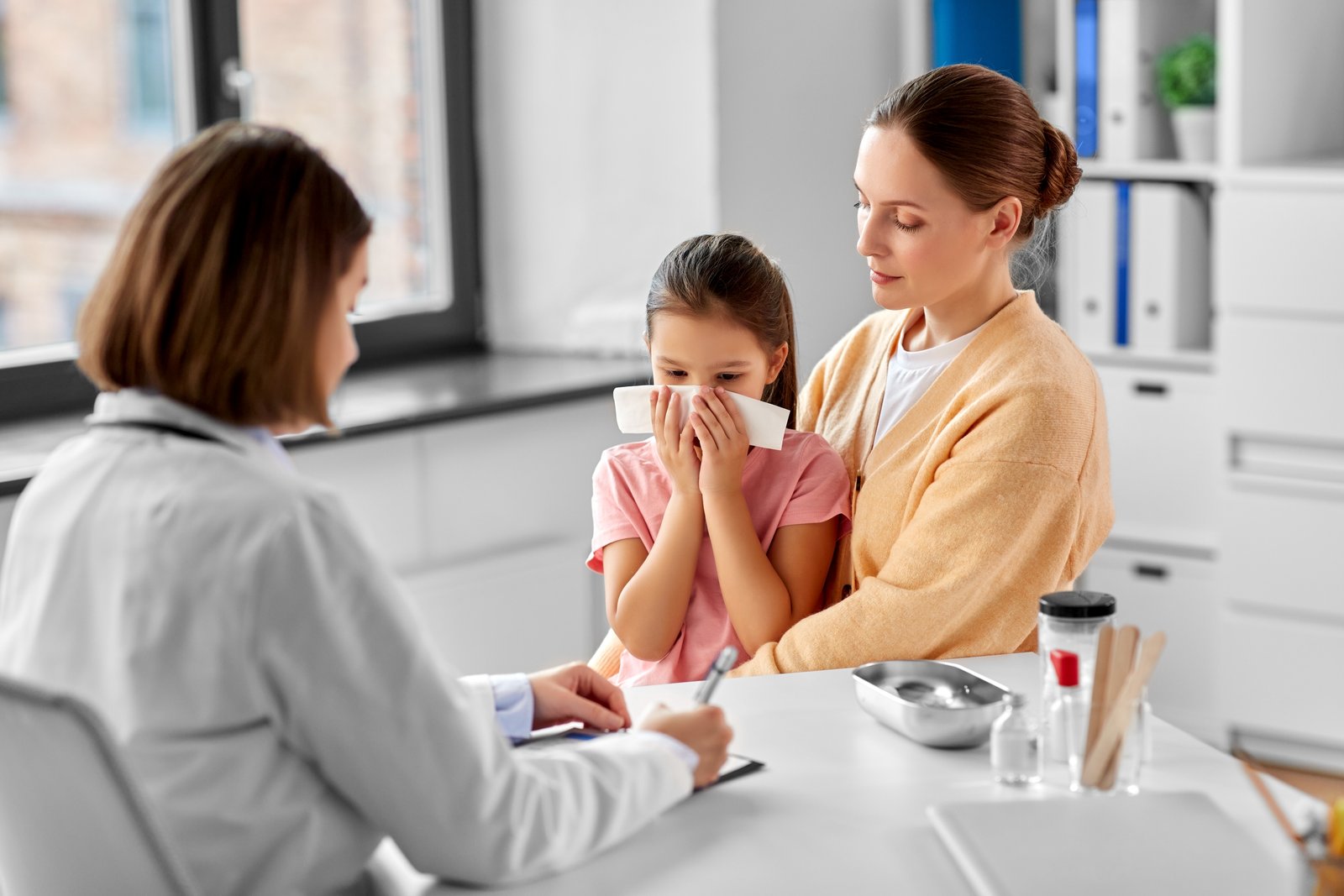
Although many childhood fevers improve within a few days, there are times when a professional medical evaluation is important. A pediatrician can determine the underlying cause, assess your child's overall health, and recommend the most appropriate treatment based on their age, symptoms, and medical history.
You should schedule a consultation if:
- Your child is younger than 3 months and has a temperature of 38°C (100.4°F) or higher.
- The fever continues for more than 48–72 hours without improvement.
- Your child is unusually sleepy, difficult to wake, or extremely irritable.
- They refuse to drink fluids or show signs of dehydration, such as a dry mouth or reduced urine output.
- Breathing becomes fast, difficult, or noisy.
- A rash develops along with the fever.
- Your child experiences repeated vomiting, persistent diarrhea, or severe pain.
- You are worried because your child is behaving differently than usual, even if the temperature is not very high.
During the consultation, your pediatrician may ask about your child's symptoms, examine them thoroughly, and recommend additional tests only if necessary. In many cases, a careful clinical examination is enough to identify the likely cause and guide treatment.
Early medical attention not only helps relieve symptoms but also reduces the risk of complications by ensuring that serious infections are diagnosed and treated promptly.
Trusted Pediatric Care in Kukatpally
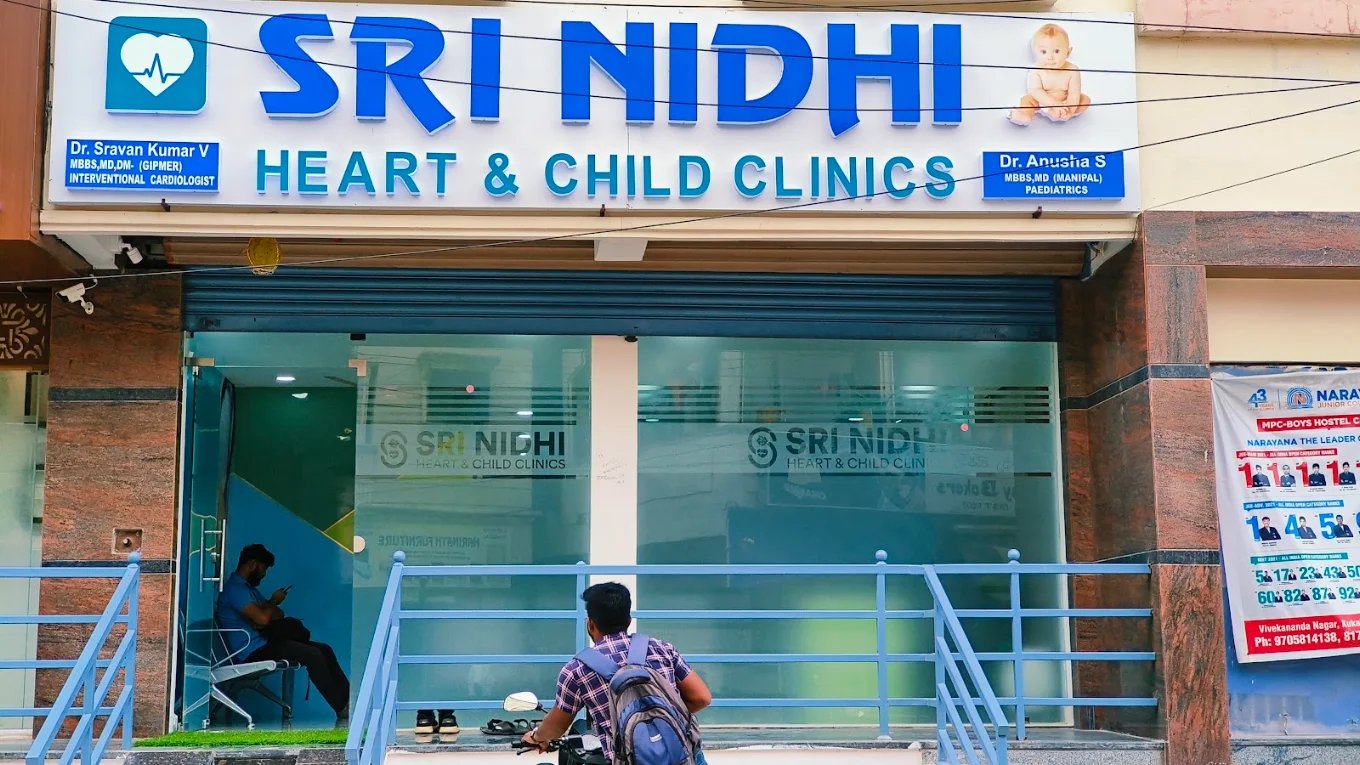
If you're looking for compassionate and experienced pediatric care, Srinidhi Children's Clinic welcomes families from Kukatpally, KPHB, JNTU, Ameenpur, and Balanagar. Whether your child has a persistent fever, recurrent infections, or you simply need reassurance, timely consultation can provide peace of mind and the right medical guidance.
Srinidhi Children's Clinic
Shop No: 6, Door No: 5, ADR Estates, 3-329/19, Laxminagar Colony, Vivekananda Nagar Extension, Kukatpally
📞 Call Now: +91 84988 82222
Frequently Asked Questions (FAQs)
1. What temperature is considered a fever in children?
A body temperature of 38°C (100.4°F) or higher is generally considered a fever. The most accurate way to measure your child's temperature is by using a digital thermometer.
2. Should I always give medicine when my child has a fever?
Not necessarily. If your child is comfortable, active, drinking fluids, and playing normally, medication may not always be required. Fever-reducing medicines are mainly used to improve comfort rather than simply lower the temperature. Always follow your pediatrician's advice regarding dosage.
3. Can teething cause a high fever?
No. Teething may cause mild discomfort or a slight rise in temperature, but it does not usually cause a true fever of 38°C (100.4°F) or above. A higher temperature should be evaluated for another underlying illness.
4. When should I take my child to the hospital?
Seek immediate medical attention if your child is younger than three months with a fever, has difficulty breathing, experiences a seizure, becomes difficult to wake, refuses fluids, develops a non-blanching rash, or shows signs of severe dehydration.
5. How long does a fever usually last?
Most viral illnesses improve within 2 to 3 days. If the fever continues beyond this period or your child's condition worsens, consult a pediatrician for further evaluation.
6. Can my child go to school after having a fever?
Children should return to school only after they have been fever-free for at least 24 hours without fever-reducing medication and are feeling well enough to participate in normal activities.
Conclusion
A fever is a common part of childhood and is often the body's natural response to fighting infections. While many children recover with rest, fluids, and supportive care at home, it is important for parents to recognize the warning signs that require medical attention. Monitoring your child's overall behavior, hydration, and symptoms is just as important as checking the temperature.
If you are ever unsure about your child's condition, don't hesitate to seek professional medical advice. Early evaluation can help identify the underlying cause, provide appropriate treatment, and prevent unnecessary complications.
At Srinidhi Children's Clinic, we are committed to providing compassionate and evidence-based pediatric care for families in Kukatpally, KPHB, JNTU, Ameenpur, and Balanagar. Whether your child has a persistent fever or you simply need expert guidance, our team is here to support your child's health every step of the way.
Contact Us
Srinidhi Children's Clinic
Address:
Shop No: 6, Door No: 5, ADR Estates, 3-329/19, Laxminagar Colony, Vivekananda Nagar Extension, Kukatpally
📞 Call Now: +91 84988 82222
External Links :
World Health Organization – Child Health