
Your heart works every second to keep your body active and healthy. Many people believe that a heart checkup is only needed after the age of 60 or when they have chest pain. In reality, heart problems can develop slowly without showing any clear warning signs.
A heart checkup is one of the best ways to understand how well your heart is functioning. It can help identify risk factors such as high blood pressure, high cholesterol, diabetes, or early heart disease before they become serious. Finding these conditions early often makes treatment simpler and more effective.
So, when should you get your first heart checkup? The answer depends on your age, family history, lifestyle, and overall health. Some people may need a heart checkup earlier than others, especially if they have existing health conditions or a family history of heart disease.
In this guide, we'll explain the right time to schedule your first heart checkup, who should consider one, the common tests your doctor may recommend, and simple steps you can take to keep your heart healthy for years to come.
Why Is a Heart Checkup Important?

Many people think they are healthy because they feel fine in their daily life. They continue working, exercising, and following their routine without any concerns. However, not all heart problems cause noticeable symptoms in the beginning. Some conditions develop slowly over several years, making them difficult to recognize without a medical evaluation.
A routine health assessment helps your doctor understand your overall heart health. During the consultation, they may review your medical history, lifestyle, blood pressure, cholesterol levels, blood sugar, and other factors that could increase the risk of heart disease. If required, simple tests such as an ECG or a 2D Echo may be suggested to get a clearer picture of how your heart is functioning.
One of the biggest advantages of early screening is the opportunity to prevent future complications. When conditions like high blood pressure, high cholesterol, or diabetes are identified early, they can often be managed with lifestyle changes, regular monitoring, and appropriate treatment. Acting at the right time can significantly reduce the chances of developing serious heart-related problems later in life.
Looking after your heart is not only important for older adults. People with a family history of heart disease, diabetes, obesity, smoking habits, or a stressful lifestyle should also consider regular health evaluations, even if they do not have any symptoms.
Regular heart screening helps you understand your overall heart health, identify possible risk factors, and make informed decisions that support a healthier future.
Benefits of Regular Heart Screening
- Helps identify health risks before symptoms appear.
- Monitors blood pressure, cholesterol, and blood sugar levels.
- Supports early diagnosis and timely treatment.
- Encourages healthier lifestyle choices.
- Reduces the risk of future heart-related complications.
- Gives you confidence about your overall heart health.
Who Should Get Their First Heart Checkup?

You Should Consider an Earlier Checkup If You:
- Have diabetes.
- Have high blood pressure.
- Have high cholesterol.
- Smoke or use tobacco products.
- Are overweight or obese.
- Have a family history of heart disease.
- Lead a physically inactive lifestyle.
- Experience ongoing stress.
- Are above 40 years of age.
- Have been advised by your family doctor.
If you are unsure whether you need an evaluation, explore our Cardiology Services to learn about the consultation and diagnostic tests available at Sri Nidhi Heart & Child Clinics.
Signs You Should Not Ignore

Our body often gives small warning signs before a health problem becomes serious. While these symptoms do not always mean there is a heart condition, they should never be ignored, especially if they happen repeatedly or become more noticeable over time.
One of the most common signs is chest discomfort. Some people describe it as pressure, heaviness, tightness, or a burning feeling rather than sharp pain. The discomfort may last for a few minutes or come and go.
Another symptom is shortness of breath, particularly during activities that were once easy, such as climbing stairs or walking short distances. Feeling unusually tired without a clear reason can also be an early sign that deserves attention.
Some people may notice dizziness, frequent palpitations, swelling in the feet or ankles, or pain that spreads to the shoulder, arm, jaw, or back. These symptoms should not be ignored, especially if you have diabetes, high blood pressure, or a family history of heart disease.
Not every symptom points to a serious condition, but it is always safer to discuss persistent or unexplained changes with a qualified doctor. Early medical advice can help identify the cause and, if needed, begin treatment before complications develop.
Ignoring symptoms and hoping they will disappear can sometimes delay diagnosis. Paying attention to your health and seeking timely medical care is one of the best ways to protect your heart.
When Should You See a Doctor?
It is a good idea to schedule a consultation if you experience :
- Chest pain or discomfort that keeps returning.
- Breathlessness during normal daily activities.
- Irregular or fast heartbeat.
- Frequent dizziness or fainting episodes.
- Swelling in your feet or ankles.
- Unusual tiredness that does not improve with rest.
- A strong family history of heart disease along with any of these symptoms.
If you are experiencing any of these symptoms or have concerns about your heart health, you can learn more about the tests and treatments available through our Cardiology Services
What Tests Are Included in a Heart Checkup?
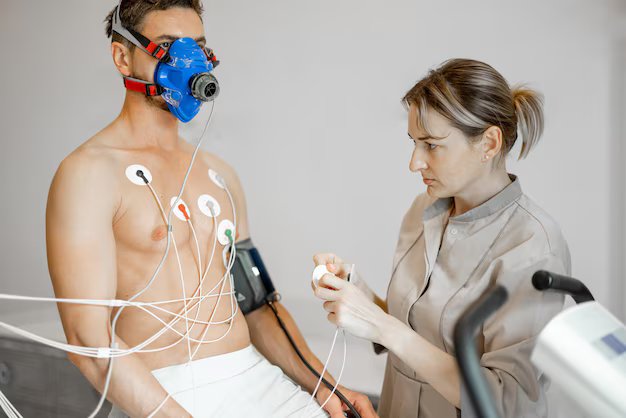
A heart evaluation is not the same for everyone. The tests your doctor recommends will depend on your age, medical history, current symptoms, and any existing health conditions. In many cases, only a few basic tests are needed to understand how well your heart is working.
Here are some of the most common tests that may be recommended.
Blood Pressure Check
High blood pressure is one of the leading risk factors for heart disease. Since it often has no symptoms, regular monitoring is important. A simple blood pressure check helps your doctor understand whether your heart is working harder than it should.
Blood Tests
Your doctor may recommend blood tests to check cholesterol levels, blood sugar, kidney function, and other health markers. These results provide valuable information about conditions that may increase the risk of heart disease.
Electrocardiogram (ECG)
An ECG records the electrical activity of your heart. It is a quick and painless test that can help detect irregular heart rhythms, previous heart damage, or other abnormalities.
2D Echo
A 2D Echo uses sound waves to create moving images of your heart. It allows your doctor to examine the heart's structure, pumping function, and the condition of the heart valves.
Treadmill Test (TMT)
If you experience chest discomfort during physical activity or your doctor wants to assess how your heart performs during exercise, a TMT may be advised. The test monitors your heart while you walk on a treadmill at different speeds.
Additional Tests (If Required)
In some situations, your cardiologist may suggest further investigations based on your symptoms or test results. These are recommended only when they are necessary to gain a better understanding of your heart health.
Remember
Not everyone needs every test. Your cardiologist will recommend only those that are appropriate for your health condition. The goal is to gather the right information without performing unnecessary investigations.
Frequently Asked Questions (FAQs)
1. At what age should I get my first heart checkup?
There is no fixed age for everyone. Healthy adults should consider a routine heart assessment around the age of 40. However, people with diabetes, high blood pressure, high cholesterol, obesity, or a family history of heart disease may benefit from consulting a cardiologist at an earlier age.
2. Do I need a heart checkup if I feel healthy?
Yes. Many heart-related conditions develop gradually without causing noticeable symptoms. Regular screening helps identify potential health risks early and supports timely treatment if required.
3. How often should I have my heart checked?
The frequency depends on your age, medical history, and overall health. Your doctor will recommend how often you should return for follow-up evaluations based on your individual risk factors.
4. What tests are usually done during a heart checkup?
Depending on your health condition, your doctor may recommend blood pressure measurement, blood tests, ECG, 2D Echo, Treadmill Test (TMT), or other investigations if needed.
5. Is a heart checkup painful?
No. Most routine evaluations, including blood pressure checks, ECG, and 2D Echo, are safe, painless, and completed within a short time.
6. When should I consult a cardiologist immediately?
Seek medical attention without delay if you experience severe chest pain, sudden shortness of breath, fainting, or pain spreading to your arm, shoulder, jaw, or back. These symptoms should never be ignored.
Conclusion
Looking after your heart is one of the best investments you can make for your long-term health. You don't have to wait for symptoms to appear before speaking with a doctor. Understanding your personal risk factors and taking preventive steps today can help reduce the chances of serious heart problems in the future.
If you have diabetes, high blood pressure, high cholesterol, a family history of heart disease, or simply want to understand your heart health better, consulting a qualified cardiologist is a sensible first step.
At Sri Nidhi Heart & Child Clinics, we provide comprehensive cardiac consultations and diagnostic services to help you make informed decisions about your health. Whether it is your first visit or a routine follow-up, our team is committed to providing compassionate and personalized care.
👉 Schedule your consultation today and take the first step toward a healthier heart.